


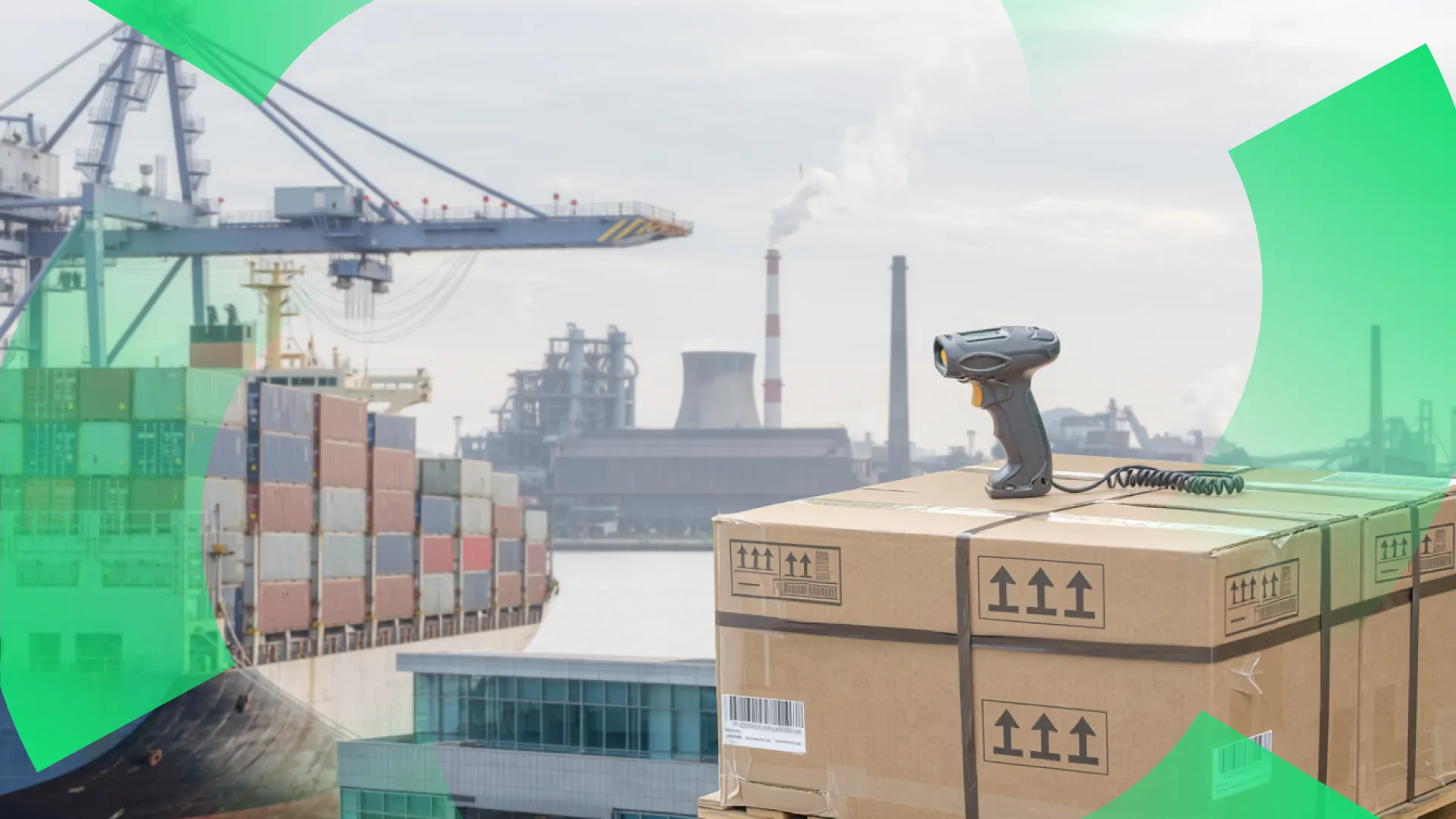
The Carbon Border Adjustment Mechanism (CBAM) is an initiative developed by the European Union in line with its carbon emission reduction targets, set to take full effect in 2026. This regulation will directly affect companies exporting from Turkey to the EU and will require certain sectors to reduce their carbon emissions. Industries such as iron and steel, aluminum, cement, fertilizers, and electricity are among the sectors that will be most impacted by this regulation in the first phase.
What is the Carbon Border Adjustment Mechanism (CBAM)?
CBAM is a regulation that foresees the taxation of products exported to the EU based on their carbon emissions. This mechanism aims to incentivize companies in exporting countries to reduce their carbon emissions while also supporting the transition to low-carbon production processes. The mechanism, which began with reporting obligations in 2023, will come into full force in 2026.
Sectors That Need to Take Action on Carbon Regulation in 2026
In the first phase of CBAM, carbon-intensive sectors such as iron and steel, aluminum, cement, fertilizers, and electricity will be covered. Turkey exports significant quantities to the EU in these sectors. For example, Turkey’s exports to the EU in the iron and steel sector exceeded $6 billion in 2022. Similarly, the aluminum and cement sectors will also be affected by this regulation.
Turkey’s Carbon Border Status and Expectations
Preparatory work for CBAM compliance is ongoing in Turkey. The Ministry of Trade and other relevant institutions are organizing training sessions and conducting informational activities to prepare exporting companies for the regulation. Turkey’s Emissions Trading System (ETS) will also be launched by the end of 2024, and this system will incentivize companies to reduce their carbon emissions.
According to reports from the Turkish Exporters Assembly, with the implementation of CBAM, exporting companies will need to transition to low-emission technologies in their production processes. In this context, calculating and reporting carbon footprints will become mandatory for exporting companies. Additionally, companies in sectors with high carbon emissions will need to make their production processes more environmentally friendly.
Preparing for the Future: Steps in the CBAM Compliance Process
CBAM requires a significant transformation process for companies in Turkey. The steps companies need to take to adapt to this process are as follows:
- Establishing short, medium, and long-term emission reduction strategies
- Reviewing production processes and fuel consumption
- Making energy efficiency improvements
- Evaluating opportunities to transition to low-emission energy sources
- Making plans to reduce carbon footprint
Apollo can support you through this transformation process with its AI-powered solutions. Apollo is a platform capable of calculating carbon Scope 1, 2, and 3 emissions and providing companies with guidance throughout this process. Thanks to these solutions offered by Apollo, companies can monitor their carbon emissions, develop reduction strategies, and accelerate their steps toward CBAM compliance. For detailed information and contact, you can reach out to Apollo right away.